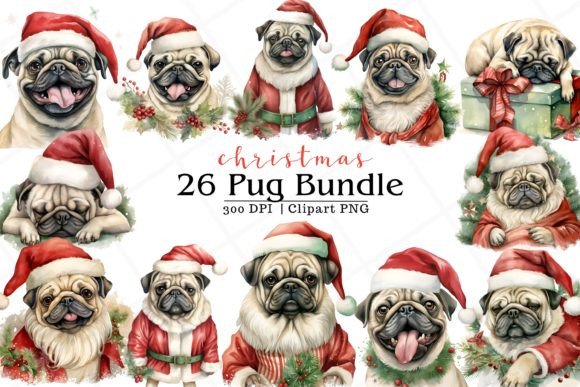
Christmas Pug Dog Watercolor Clipart for Illustrations
As a digital publisher and blog designer who has spent years optimizing content for both reader engagement and search engine visibility, I approach every graphic design asset with a critical eye. It is not enough for an image to simply be cute or festive; it must serve a functional purpose within the broader ecosystem of web design and content marketing. Recently, I integrated the Christmas Pug Dog Watercolor Clipart into a seasonal content rollout, and the results offered valuable insights into how specific artistic styles can elevate editorial quality.
The first impression of this asset is undeniably warm and inviting. The watercolor technique softens the visual impact, creating a mood that is both playful and sophisticated. For bloggers and website owners, this balance is crucial. Purely cartoonish graphics can sometimes undermine authority, while stark, corporate imagery may feel cold during the holiday season. This particular set of Illustrations strikes a perfect middle ground, feeling lifestyle-focused yet polished enough for professional editorial design. It naturally supports niches such as pet care, family lifestyle, holiday crafting, and gentle parenting, where trust and approachability are paramount.
Elevating Editorial Layouts and Visual Hierarchy
In real-world publishing workflows, the placement of visuals dictates how a reader consumes information. I tested these pug illustrations across several formats, starting with blog featured images. The organic edges of the watercolor style allow for seamless integration into various background colors, making it easier to maintain a consistent brand identity without rigid boxing or heavy borders. When used in article headers, the asset helps establish a clear visual hierarchy, drawing the eye immediately to the title while setting a festive tone before a single word is read.
Beyond standard blog posts, these assets shine in the creation of Pinterest pin graphics. Pinterest is a visually driven search engine where vertical aesthetics rule. The charming nature of the pug dog, combined with the artistic flair of watercolor, creates high-click-through potential. I found that layering these clips over soft, neutral backgrounds with bold sans-serif typography resulted in pins that stood out in crowded feeds. This is essential for affiliate marketing strategies, where capturing attention quickly can significantly impact revenue.
Versatility Across Digital Products and Lead Magnets
One of the strongest advantages of this collection is its adaptability for digital product creation. For online educators and creative entrepreneurs, these clips are ideal for designing digital guides, worksheets, and eBook covers. The whimsical yet clean aesthetic appeals to audiences looking for approachable, easy-to-digest content. I utilized the assets in a holiday-themed lead magnet, specifically a printable checklist for pet-safe holiday decorations. The presence of the pug added an emotional connection, increasing the perceived value of the free download.
Furthermore, these elements work exceptionally well in Canva template designs for small business owners. Many of my clients use pre-made templates for their social media calendars. By incorporating these watercolor pugs, they can create cohesive social media graphics that feel custom-made rather than generic. Whether used for Instagram stories, Facebook post backgrounds, or newsletter headers, the asset maintains its clarity and charm. This consistency is vital for small business branding, as it helps audiences recognize content instantly across different platforms.
Strategic Placement and Performance Considerations
While the aesthetic appeal is high, strategic placement is key to maximizing performance. These illustrations work best as hero images, category thumbnails, and accents within long-form content. They break up text walls effectively, keeping readers engaged. However, there are contexts where caution is advised. For instance, using detailed watercolor art in very small mobile thumbnails can result in a loss of detail. In such cases, it is better to use a simplified version or a close-up crop of the main subject.
Additionally, consider the contrast when placing these assets on your website. Watercolor textures often have soft, translucent edges. Placing them on busy, patterned backgrounds can make them disappear, reducing their impact. I recommend testing them on solid, light-colored backgrounds to ensure they pop. For website header banners, ensure that the text overlay does not compete with the intricate details of the pug’s fur or facial features. Readability must always take precedence over decoration.
Practical Publisher Notes for Implementation
Before deploying any new design assets into a live production environment, rigorous testing is non-negotiable. Here are the specific steps I took to ensure optimal performance:
- Device Testing: I previewed the graphics on both desktop and mobile screens. What looks balanced on a wide monitor may appear cluttered on a smartphone. Adjust scaling accordingly.
- Typography Pairing: I experimented with various font styles. The softness of the watercolor pairs beautifully with clean sans-serif fonts for a modern look, but also complements handwritten script fonts for a more personal, cozy feel. Avoid overly ornate display fonts that might clash with the artistic texture.
- File Optimization: High-resolution watercolor files can be large. I compressed the images for web use to ensure fast loading times, which is a critical factor for SEO and user experience. Always balance quality with file size.
- Licensing Verification: Before using these in monetized content, such as affiliate pages or paid printable design products, I confirmed the commercial licensing terms. Ensuring you have the right commercial license protects your business from legal issues and supports the original artists in the creative marketplace.
- Contrast Checks: I tested the assets in black and white to see how they held up without color. This helped me understand the underlying value structure and ensured they would remain recognizable even if a user’s device had color settings adjusted.
In conclusion, the Christmas Pug Dog Watercolor Clipart is more than just a decorative element; it is a versatile tool for enhancing creative design projects. For bloggers, publishers, and digital marketers, it offers a way to inject personality and warmth into their content without sacrificing professionalism. When used thoughtfully, it strengthens visual identity, improves reader trust, and ultimately supports the goals of effective content marketing. Whether you are designing a newsletter, crafting a digital download, or updating your holiday blog theme, this asset provides the artistic touch needed to make your content memorable and engaging.