Review: Christmas Deer - Retro Illustration for Embroidery
As a designer who has spent countless hours digitizing and stitching out holiday motifs, I approach every new machine embroidery design with a mix of excitement and skepticism. We have all been there: you download a file that looks stunning on the screen, only to find it turns into a tangled mess of thread breaks and puckering once it hits the fabric. That is why I took a close look at Christmas Deer - Retro Illustration before committing it to any client work or personal embroidery project. This isn’t just about whether the deer looks cute; it is about whether this Illustrations asset holds up under the needle.
First Impressions: Mood and Visual Personality
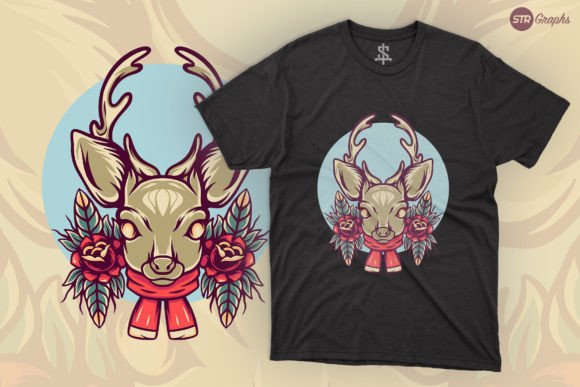
The first thing that strikes you about Christmas Deer - Retro Illustration is its nostalgic charm. It does not try to be hyper-realistic, which is a smart move for embroidery. Instead, it leans into a stylized, retro aesthetic that feels warm and inviting. The lines are clean, and the composition is balanced, avoiding the clutter that often plagues holiday designs. For a crafter or Etsy seller, this visual personality is crucial. It speaks to a specific audience—those who appreciate vintage vibes and handmade warmth rather than flashy, modern minimalism.
When I visualize this design on a product, I immediately think of cozy winter textiles. It has a softness to it that suggests it would pair beautifully with natural fibers like cotton or linen. The retro style implies a sense of timelessness, making it a strong candidate for items meant to be kept and cherished, such as heirloom baby embroidery pieces or annual holiday decor.
Real-World Application: From Screen to Stitch
To truly evaluate Christmas Deer - Retro Illustration, I imagined a real-life scenario: preparing a custom order for a boutique client who wanted unique sweatshirt embroidery for their holiday collection. The client was looking for something that stood out from the typical snowflake-and-reindeer clichés. This design fit the bill perfectly.
In this context, the design’s layout works exceptionally well on the left chest area of a crewneck sweatshirt. The proportions are compact enough to remain legible without overwhelming the garment. I also considered using it as a tote bag design. Here, the retro illustration style shines because it can handle slightly larger scaling without losing its structural integrity. Whether you are creating a personalized gift for a friend or stocking your small shop product inventory, the versatility of this motif is a significant advantage.
For those running a craft business, consistency is key. This design offers a professional look that enhances brand perception. It does not look like a quick clip-art job; it looks like a thoughtful piece of art translated into thread. This level of quality builds customer trust and encourages repeat buyers who value high-end handmade product standards.
Technical Considerations and Fabric Compatibility
While the aesthetic is strong, the technical execution is where many designs fail. With Christmas Deer - Retro Illustration, you need to pay attention to stitch density and fabric choice. Retro styles often rely on solid fills or bold outlines. If this design uses heavy fill stitch areas, it may require a sturdy stabilizer to prevent puckering, especially on lighter fabrics.
I recommend testing this embroidery file on scrap fabric before starting your final piece. If you are working with stretchy materials like jersey knits for t-shirts, a cut-away stabilizer is non-negotiable. For woven fabrics like canvas tote bags or aprons, a tear-away might suffice, but always check the tension. The goal is to ensure the thread colors pop against the background without the fabric distorting around the stitches.
One area to watch is the detail level. Retro illustrations can sometimes include fine lines that mimic print textures. In embroidery, these need to be converted into satin stitch or running stitch elements carefully. If the design has very thin lines, they might get lost on textured fabrics like terrycloth towels or wool blankets. In such cases, consider simplifying the background or increasing the contrast between the thread and the fabric. Dark fabrics, in particular, can swallow up subtle details, so opt for bright, contrasting thread colors to maintain clarity.
Navigating Challenges: Hoop Size and Placement
Placement is another critical factor. While Christmas Deer - Retro Illustration is versatile, it may not be suitable for extremely small hoop sizes if the design includes intricate antler details or facial features. Cramping a complex design into a 4x4 inch hoop can lead to thread breaks and poor definition. Always confirm the recommended hoop size provided with the digital file. If you are aiming for a subtle accent on a cap or a baby onesie, ensure the design scales down gracefully.
Curved surfaces, such as baseball caps, present their own challenges. The retro style, with its potentially bold shapes, can work well here, but you must account for the curvature. Distortion can occur if the design is too wide. I suggest centering the deer carefully and using a hooping technique that minimizes fabric shift. For flat items like pillow covers or kitchen towels, you have more freedom, but still, keep an eye on the balance of the composition within the hoop.
Commercial Use and Brand Value
For commercial embroidery professionals and digital product sellers, licensing is paramount. Before selling finished items featuring Christmas Deer - Retro Illustration, verify the license terms. Most designers allow commercial use for physical products, but restrictions may apply to digital resale. Ensuring you are compliant protects your business and respects the creator’s rights.
Using high-quality design assets like this elevates your finished product. It signals to buyers that you care about the details. In a saturated market, having a unique, well-executed holiday design can be the differentiator that leads to a sale. Whether you are creating holiday embroidery for local craft fairs or listing items online, the professional appearance of this retro deer can enhance your brand’s reputation.
Practical Designer Notes for Best Results
To get the most out of this design, follow these practical steps:
- Test on Scrap Fabric: Always stitch out a test sample to check for tension issues and thread breaks.
- Check Thread Contrast: Ensure your thread colors stand out against the fabric. Use a black and white mockup to verify value contrast.
- Review Stitch Density: If the design feels too dense, consider adjusting the underlay or using a lighter weight thread.
- Confirm Hoop Size: Make sure your hoop accommodates the design dimensions without cropping essential details.
- Inspect Small Details: Zoom in on the digital file to see how fine lines are handled. Ensure they are thick enough to stitch cleanly.
- Use Proper Stabilizer: Match the stabilizer to the fabric type—cut-away for knits, tear-away for wovens.
- Verify Licensing: Double-check the usage rights for commercial sales before listing products.
In conclusion, Christmas Deer - Retro Illustration is a promising addition to any holiday design library. It balances aesthetic appeal with practical usability, provided you respect the technical requirements of embroidery. By approaching it with a designer’s eye and a tester’s caution, you can create beautiful, professional-grade items that delight customers and strengthen your brand. Whether for a custom apparel line or a special embroidered patch, this design has the potential to become a seasonal favorite in your workshop.