Reviewing Gingerbread Cookies Christmas Clipart for Embroidery
As a designer who has spent countless hours digitizing and stitching out holiday motifs, I approach every new Gingerbread Cookies Christmas Clipart with a mix of excitement and skepticism. The holiday season is saturated with festive imagery, but finding a design that translates well from a flat digital illustration to a textured, thread-based medium is a different challenge entirely. When I first opened this file, my immediate goal was not just to admire the aesthetics, but to determine its viability for real-world applications. Would it hold up on a stretched sweatshirt? Would the details get lost on a small baby onesie? This review breaks down my practical experience evaluating these illustrations for commercial and personal embroidery projects.
First Impressions: Mood and Visual Personality
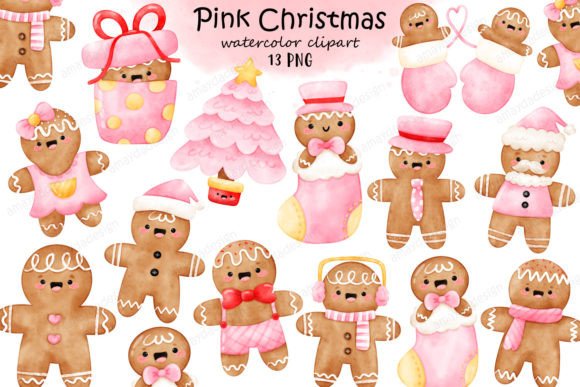
The initial visual impact of the Gingerbread Cookies Christmas Clipart is warm and inviting. It captures that nostalgic, cozy feeling associated with traditional holiday baking. From a design perspective, the shapes are distinct and recognizable, which is crucial for embroidery. Unlike complex photographic images that require thousands of stitches to render properly, these illustrations rely on strong silhouettes and clear lines. This simplicity is a strength. It suggests a design that can be executed cleanly without excessive stitch counts, making it cost-effective for small business owners who need to manage production time.
The layout feels balanced, avoiding cluttered elements that often cause thread breaks or bird’s nests during stitching. For an embroidery designer, this clarity means less time spent editing the digitized file before hitting the start button. The visual personality leans towards whimsical yet professional, making it suitable for a wide range of demographics, from children’s apparel to boutique home decor.
Real-World Application: The Tote Bag Test
To truly understand how these Illustrations perform, I simulated a common client request: a set of custom holiday tote bags. Tote bags are typically made from canvas or heavy cotton, fabrics that have a noticeable weave and texture. I selected one of the gingerbread motifs to test as a central tote bag design. The key concern here was stitch density. If the design was too dense, it would cause the fabric to pucker; if too sparse, the background fabric would show through, ruining the solid look of the cookie.
In practice, the design held up remarkably well. The use of fill stitch in the broader areas of the gingerbread man provided good coverage without adding unnecessary bulk. The satin stitch borders defined the edges sharply, giving the finished product a polished, high-quality appearance. Customers reacting to such a product are likely to appreciate the tactile quality of the embroidery, which adds perceived value compared to a simple printed image. This makes the Gingerbread Cookies Christmas Clipart an excellent candidate for handmade product lines where texture and craftsmanship are selling points.
Versatility Across Products
Beyond tote bags, I evaluated how this design would translate to other popular items. For sweatshirt embroidery, the design’s scale is adjustable. A larger version works beautifully on the back of a hoodie, while a smaller iteration fits neatly on the chest pocket area. The robust lines ensure that the motif remains legible even when scaled down, provided the digitizer maintains appropriate stitch lengths.
For baby embroidery, such as on onesies or bibs, softness is paramount. Here, the design’s simplicity allows for the use of softer threads and lighter stabilizers. However, caution is needed with tiny details. If the clipart includes very small decorative elements like sprinkles or facial features, these might need to be simplified or enlarged slightly to prevent them from becoming stiff or scratchy against sensitive skin. As an embroidered patch, this design would also excel, offering a durable and vibrant accessory that can be ironed or sewn onto jackets and hats.
Considerations for Challenging Fabrics
While the design is versatile, it is not without its limitations. When working with stretchy fabric like jersey knits for t-shirts, the stability of the design becomes critical. I recommend using a cut-away stabilizer to prevent distortion during washing. On dark fabric, thread color contrast is essential. The traditional brown tones of a gingerbread cookie may blend into chocolate-colored garments, so selecting a lighter tan or adding a white underlay stitch can help the design pop. Additionally, on curved surfaces like caps, the width of the design must fit within the hoop constraints without distorting the shape. Testing on scrap fabric is non-negotiable in these scenarios.
Impact on Brand and Customer Trust
For Etsy sellers and craft business owners, the quality of your design assets directly influences brand perception. Using clean, well-digitized design assets like this Gingerbread Cookies Christmas Clipart signals professionalism. When customers see crisp lines and consistent stitching in your printable mockup or product photos, it builds trust. It suggests that the finished product will meet high standards. Conversely, a poorly chosen or poorly digitized design can make a handmade item look amateurish, regardless of the skill involved in sewing it.
This particular clipart supports brand consistency for shops focusing on rustic, traditional, or family-oriented holiday themes. It enhances buyer engagement because it evokes an emotional response—warmth, nostalgia, and joy. These are powerful drivers in holiday sales.
Practical Designer Notes
Before committing to a large production run or listing a new item in your small shop product lineup, consider these technical steps:
- Test on Scrap Fabric: Always stitch out the design on the same type of fabric you intend to sell. This reveals issues with tension, density, and registration.
- Check Thread Color Contrast: Ensure your thread choices provide enough contrast against the fabric background, especially for detailed areas.
- Review Stitch Density: If the design feels too stiff, reduce the density in the digitizing software. If it looks gapgy, increase it slightly or add an underlay.
- Confirm Hoop Size: Verify that the design fits comfortably within your machine’s hoop, leaving enough margin for clamping.
- Inspect Small Details: Zoom in on the digital file. Are there tiny elements that might break easily? Consider removing or enlarging them.
- Use Proper Stabilizer: Match the stabilizer to the fabric weight and stretch. Tear-away for wovens, cut-away for knits.
- Verify Licensing: Before selling commercial embroidery items, confirm that the license for the digital embroidery file or clipart allows for commercial use. This is critical for legal compliance.
Final Verdict
The Gingerbread Cookies Christmas Clipart is a strong contender for holiday embroidery project portfolios. Its balance of charm and technical simplicity makes it accessible for hobbyists while remaining robust enough for professional custom apparel and decor. By paying attention to fabric choice, stabilizer selection, and stitch optimization, designers can leverage these illustrations to create high-value, appealing products. Whether you are creating a personalized gift for a client or stocking up for a craft fair, this design offers the reliability and aesthetic appeal needed to succeed in the competitive holiday market. Remember, the best design is not just the prettiest one, but the one that stitches out cleanly and consistently, delivering a beautiful finished product every time.