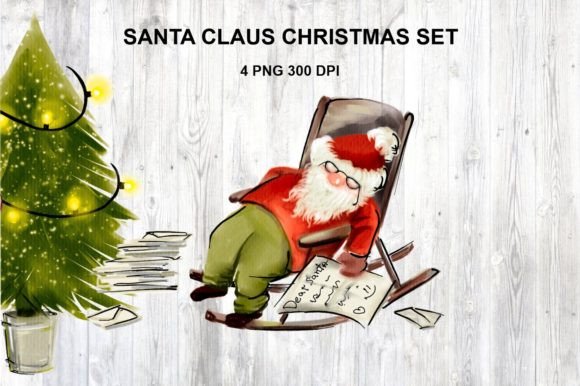
Santa Claus Christmas: A Designer’s Practical Review
As an embroidery designer who has spent countless hours digitizing and testing files, I approach every new machine embroidery design with a mix of curiosity and skepticism. We all know the holiday season is saturated with festive imagery, but finding a design that balances charm with technical stitchability is rare. Recently, I evaluated Santa Claus Christmas, a piece from the Illustrations category, to see if it holds up under the needle. This isn’t just about whether it looks cute on a screen; it’s about how it performs on fabric, how it wears after washing, and whether it adds genuine value to a handmade product.
First Impressions: Mood and Visual Personality
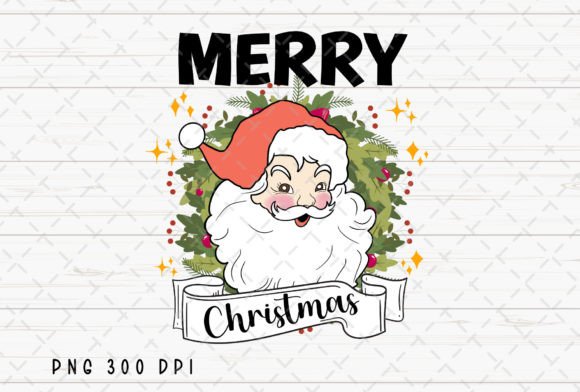
The first thing that strikes you about Santa Claus Christmas is its approachable warmth. It doesn’t rely on hyper-realism, which can often look messy in embroidery due to thread limitations. Instead, it leans into a stylized aesthetic that translates well to thread. The layout feels balanced, with a clear focal point that draws the eye immediately. For designers, this is crucial. When a customer glances at a tote bag design or a sweatshirt, they need to understand the image instantly.
The visual personality here is playful yet classic. It avoids the overly cartoonish extremes that might alienate adult buyers while remaining soft enough for children’s items. This versatility is a significant asset for Etsy sellers and small shop product creators who need to maximize the utility of a single digital embroidery file. The lines are clean, suggesting that the digitizer paid attention to pathing, which usually results in fewer jumps and cleaner finishes on the back of the fabric.
Real-World Application: From Screen to Stitch
To truly test Santa Claus Christmas, I moved beyond digital mockups and considered real-life scenarios. I imagined stitching this onto a heavy cotton canvas tote bag. The design’s structure suggests it would hold up well on textured fabrics, provided the right stabilizer is used. On a tote, the design serves as a central statement piece. Because the details aren’t excessively microscopic, the risk of thread breakage or puckering is minimized, even on a material that tends to shift.
I also visualized this as sweatshirt embroidery. Here, the pile of the fleece can sometimes swallow small details. However, Santa Claus Christmas appears to have sufficient contrast and boldness to remain visible. For a custom apparel business, this means fewer customer complaints about "invisible" details. If you are creating holiday embroidery for family matching sets, this design offers a cohesive look that doesn’t overwhelm the garment.
For those interested in embroidered patch creation, this design is a strong candidate. Patches require dense stitching and clean edges to prevent fraying when cut. The outer contours of this illustration seem defined enough to support a satin stitch border, which is essential for professional-looking patches. Whether you are selling these at craft fairs or using them for boutique branding, the finished product exudes a level of craftsmanship that builds customer trust.
Technical Considerations and Fabric Compatibility
While Santa Claus Christmas is versatile, it is not without its technical demands. As a reviewer, I must highlight where caution is needed. If you plan to use this on thin or stretchy fabric, such as a lightweight t-shirt or a baby onesie, you must be meticulous with your hooping and stabilization. The stitch density appears moderate, but any fill areas will pull on delicate knits. Using a cut-away stabilizer is non-negotiable here to maintain the shape of the design after repeated washing.
Dark fabrics present another challenge. Since this is an illustration, it likely relies on specific thread colors to define shapes. On black or navy fabric, you may need to add an underlay or adjust the color palette to ensure the design pops. I always recommend testing the design on scrap fabric of the same type and color before committing to the final embroidery project. This simple step saves time, thread, and frustration.
Curved surfaces, like caps, require careful placement. If the design is wide, it might distort over the curve of a baseball cap. Check the dimensions against your hoop size. If the design is too large for a standard cap hoop, you may need to resize it, but be wary of making it too small. Tiny details can become lost or turn into a blob of thread if the scale is reduced too much. Always inspect the smallest elements of the design to ensure they remain distinct at your intended size.
Enhancing Product Value and Brand Consistency
Why does the choice of design matter for your business? Because Santa Claus Christmas contributes to the perceived value of your finished product. A clean, well-stitched design signals professionalism. It tells the buyer that you care about quality. For commercial embroidery projects, this attention to detail can justify a higher price point. Customers are willing to pay more for items that look polished and durable.
Furthermore, this design fits seamlessly into a broader holiday collection. If you are building a line of personalized gift items, consistency is key. Using designs from the same illustrative style helps create a cohesive brand identity. Whether you are creating baby embroidery for newborns or kitchen towels for home decor, the consistent aesthetic helps customers recognize your work. This recognition drives repeat business and strengthens your brand presence in a crowded market.
Practical Notes for the Embroiderer
Before you load this embroidery file into your machine, take a moment to review the technical specs. Since exact stitch counts and formats were not provided in the initial description, you must verify these details with the source. Ensure the file format is compatible with your machine. Check if the design includes applique design elements, which would require different preparation than standard fill or satin stitch work.
- Test on Scrap: Always stitch out a test sample on the actual fabric you intend to use. This reveals tension issues and color clashes.
- Check Contrast: View the design in black and white to ensure the shapes are distinguishable without color reliance.
- Review Density: If the design feels stiff after stitching, consider reducing the density in your software if you have editing capabilities.
- Licensing: Confirm the license terms. Can you sell finished items? Can you use it for digital product previews? Never assume; always read the fine print.
- Hoop Size: Measure the design dimensions against your available hoops to ensure it fits without re-hooping.
In conclusion, Santa Claus Christmas is a solid addition to your library of design assets. It offers a blend of festive charm and technical practicality that suits a wide range of applications, from printable mockup presentations to tangible craft business inventory. By approaching it with a designer’s eye and a maker’s patience, you can create products that delight customers and stand the test of time. Happy stitching!