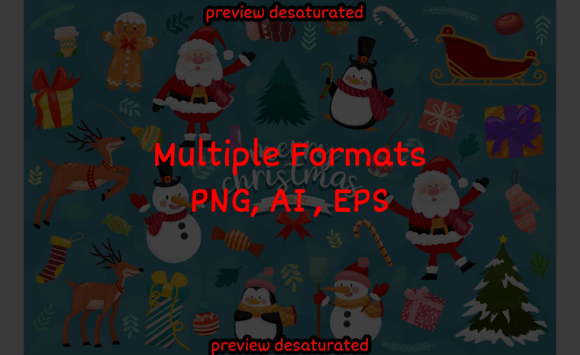
Reviewing Christmas Background with Elements Ecora
As an embroidery designer who has spent countless hours digitizing and stitching out holiday motifs, I have learned that not every festive graphic translates well to thread. When I first pulled up the Christmas Background with Elements Ecora, my initial reaction was one of cautious optimism. The visual composition is rich, evoking that cozy, nostalgic warmth we all chase during the holiday season. But as any seasoned crafter knows, a pretty picture on a screen does not always equal a successful machine embroidery design. I needed to determine if this asset could hold its own in a real-world embroidery project, particularly for clients who expect durability and crisp detail.
First Impressions and Visual Mood
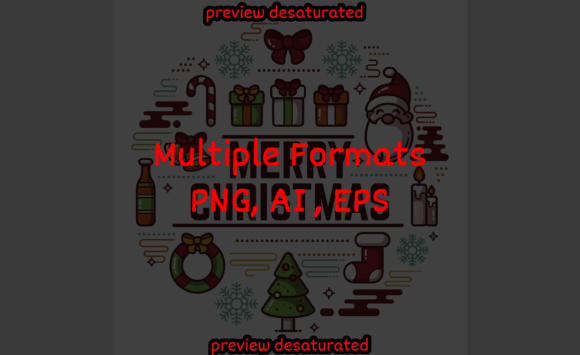
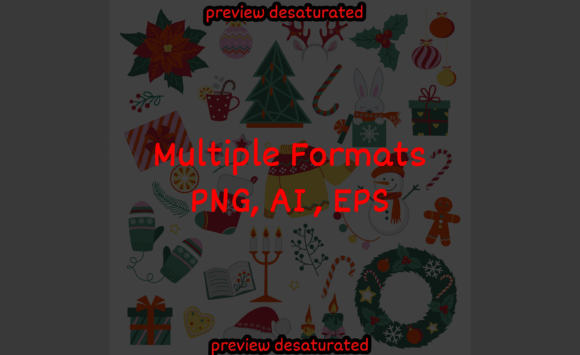
The Christmas Background with Elements Ecora falls squarely into the category of Illustrations that rely on atmospheric depth rather than rigid geometric precision. The layout suggests a scene rather than a simple icon, which is both a strength and a challenge. For a hobbyist or a small business owner, this means the design carries a narrative weight. It feels appropriate for items meant to be displayed or gifted with sentiment, such as a heirloom-quality pillow cover or a special holiday apron.
The mood is undeniably festive, but it avoids the chaotic clutter often found in cheaper digital assets. The spacing between elements allows for breathability, which is crucial when converting complex graphics into stitch data. If you are looking to create a personalized gift that feels thoughtful rather than mass-produced, this type of background element provides a sophisticated canvas for adding names or dates without overwhelming the viewer.
Real-World Application: The Holiday Tote Bag Test
To truly evaluate the utility of this design, I imagined a common scenario for many Etsy sellers and craft fair vendors: producing a run of heavy-canvas tote bags for the December rush. I visualized placing the Christmas Background with Elements Ecora on the front panel of a natural cotton tote. In this context, the design acts as a statement piece. Unlike a small chest logo, a background-style illustration requires careful consideration of scale.
If used as a full-front tote bag design, the intricate details must survive the tension of the hoop and the texture of the canvas. I found that designs like this thrive when they are not forced into too small a hoop size. Attempting to shrink this level of detail into a 4x4 inch frame would likely result in lost definition and potential thread breaks. However, scaled appropriately for a 5x7 or larger hoop, the elements retain their clarity. The result is a handmade product that looks professional and high-value, justifying a higher price point for your small shop product.
Apparel and Custom Gifts
Beyond home decor, I considered how this would perform on custom apparel. Imagine a crewneck sweatshirt intended for a family holiday photo. The sweatshirt embroidery market is saturated with simple text and basic icons. Using a more complex background element like Ecora sets a garment apart. However, the fabric choice is critical. A thick fleece can handle higher stitch density, but a thinner jersey knit might pucker under the weight of a large fill area. For baby embroidery projects, such as a festive onesie, I would advise using this design only if it can be significantly simplified or reduced in density, as baby skin is sensitive to rough stitch textures.
Technical Considerations for Stitching Success
When working with any detailed digital embroidery file, technical preparation is half the battle. Here is what I observed regarding the practical execution of this style:
- Fabric Texture and Stability: The interplay between the design and fabric texture is vital. On textured fabrics like linen or waffle knit, fine details may get lost. I recommend using a cut-away stabilizer for garments that will be washed frequently, ensuring the design remains flat and does not distort over time.
- Thread Color Contrast: Because this is a background-heavy illustration, thread colors must be chosen with intention. High contrast helps define the shapes, while tonal variations create depth. I suggest testing the design in black and white mockups first to ensure the values distinguish the elements clearly before committing to colorful threads.
- Stitch Types: Expect a mix of satin stitch for borders and text-like elements, and fill stitch for the broader background areas. Watch for long runs of running stitch in the detailing, which may need underlay adjustments depending on your machine’s tension settings.
Where to Use Caution
While versatile, the Christmas Background with Elements Ecora is not a one-size-fits-all solution. There are specific scenarios where I would hesitate to use it without significant modification. Curved surfaces, such as caps or hats, present a major challenge. The distortion inherent in stitching on a curved brim can warp the background elements, making them look unbalanced. For an embroidered patch, however, it could work beautifully if stabilized correctly on a stiff backing.
Additionally, be wary of using this on dark fabrics if the design relies on light-colored fills. Without proper underlay or density adjustments, the fabric color can peek through, ruining the clean look. Always check the stitch density in your software. If the design is too dense for lightweight fabrics, it will cause puckering, which is a quick way to lose customer trust. For commercial embroidery jobs where consistency is key, running a test stitch-out on scrap fabric is non-negotiable.
Enhancing Brand Value and Customer Appeal
From a business perspective, the right design assets elevate your brand. Using a cohesive, high-quality illustration like Ecora signals professionalism. It shows that you care about the aesthetic integrity of your finished product. For printable mockup creation, this design offers enough visual interest to make digital previews look enticing, helping to drive clicks and conversions for online stores.
Customers engage more with products that tell a story. A simple monogram is nice, but a garment featuring a thoughtfully composed holiday scene creates an emotional connection. This increases the "giftability" of the item. Whether you are creating holiday embroidery for local boutique branding or selling design assets to other makers, the perceived value of a complex, well-executed background design is significantly higher than that of a basic clip-art style motif.
Final Designer Notes
Before you commit to production, remember to verify the licensing terms. Ensure that your intended use, whether for personal gifts or commercial embroidery sales, is covered by the license associated with the file. Check the available formats to ensure compatibility with your specific embroidery machine software.
In summary, the Christmas Background with Elements Ecora is a strong contender for your holiday lineup. It offers the artistic flair of professional Illustrations while remaining functional for various textile applications. By respecting the technical limits of your materials and machines, you can transform this digital file into a tangible, cherished item. Whether it ends up on a cozy blanket, a stylish tote, or a festive cap, it has the potential to be a standout piece in your creative portfolio.