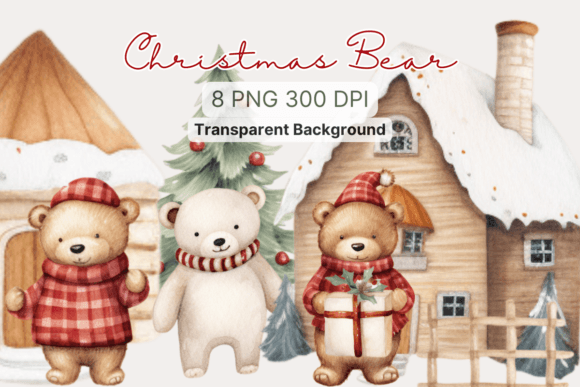
Reviewing the Christmas Bear Watercolor Sublimation Design
As a designer who spends more time staring at stitch simulations than actual sleep, I have learned to be skeptical of digital assets that promise too much. We see thousands of files flood the market every season, but few hold up under the needle. When I first pulled up the Christmas Bear Watercolor Sublimation file on my screen, my initial reaction was cautious curiosity. The watercolor aesthetic is trendy, undeniably charming, and perfectly suited for the holiday rush, but it is also notoriously difficult to translate into thread without losing its soul.
This review is not just about whether the image looks pretty on a monitor. It is about how this specific illustration behaves when you are trying to meet a deadline for a custom order, how it sits on different fabric textures, and whether it adds genuine value to your craft business. If you are an Etsy seller, a boutique owner, or a hobbyist looking to elevate your holiday embroidery, here is my practical breakdown of using this design in real-world projects.
The First Impression: Mood and Visual Personality
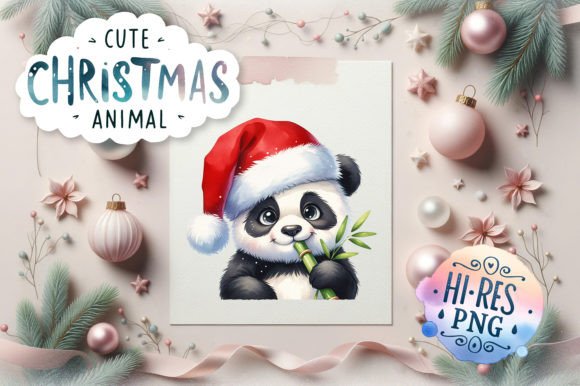
The immediate appeal of the Christmas Bear Watercolor Sublimation lies in its softness. Unlike vector-based clip art with hard, unforgiving edges, this design carries a gentle, hand-painted mood. For embroidery designers, this presents both an opportunity and a challenge. The lack of rigid outlines means the design feels organic and warm, which is exactly what customers want in a personalized gift or a cozy winter item.
However, from a technical standpoint, watercolor styles can look muddy if the thread colors are not carefully selected. The design relies on subtle gradients and bleeding edges. In a machine embroidery design, we do not have true gradients; we have stitches. Therefore, the success of this piece depends heavily on how well the digitizer has managed the transition between shades. My first test was to zoom in to 400%. I was looking for chaotic stitch paths or excessive density that might puckers the fabric. Fortunately, the layout appears thoughtful, with enough negative space to let the fabric breathe.
Real-World Application: Where This Design Shines
I decided to test this design on a few different substrates to see where it truly belongs. The most natural fit for the Christmas Bear Watercolor Sublimation is undoubtedly a tote bag design or a heavy cotton canvas. The sturdy texture of canvas provides a stable foundation for the fill stitches, allowing the softer details of the bear’s fur and the surrounding holiday elements to stand out without sinking into the material.
I also ran a test on a fleece sweatshirt embroidery project. This is a popular category for small shop products during Q4. The plush texture of fleece can sometimes swallow fine details, but because this design leans into a softer, less defined aesthetic, it actually complements the fabric well. The bear looks like it belongs there, rather than sitting on top like an afterthought. For baby embroidery, such as a onesie or a nursery blanket, the gentle nature of the illustration is a major selling point. Parents are drawn to soft imagery for infants, and this design delivers that emotional connection instantly.
If you are creating custom apparel for a boutique, consider using this as a chest patch or a larger back piece. It works beautifully as an embroidered patch because the watercolor style allows for creative bordering. You could use a simple running stitch border to frame it, keeping the look rustic and handmade, or a tight satin stitch for a more polished, retail-ready finish.
Technical Considerations and Potential Pitfalls
While the design is versatile, it is not without its risks. The biggest challenge with any watercolor-style embroidery file is stitch density. If the digitizer has packed too many fill stitches to mimic the paint effect, the result will be stiff and prone to puckering, especially on thinner fabrics. I strongly advise testing this on scrap fabric before committing to your final garment. Check the back of your test run. If it looks like a solid sheet of thread, you may need to adjust your tension or use a heavier cut-away stabilizer.
Another critical factor is hoop size. Ensure that the design fits comfortably within your hoop without requiring excessive re-hooping, which can lead to alignment issues. If you are planning to use this on curved surfaces like caps or hats, proceed with caution. The detailed corners and potential density of the bear’s features might distort on a curved seam. For headwear, I would recommend scaling the design down significantly or simplifying the background elements if your software allows for editing.
Color contrast is also vital. On dark fabrics, the lighter tones of the watercolor bear might get lost if the thread selection is not high-contrast. I recommend running a black-and-white mockup to check the value range. If the design turns into a gray blob in monochrome, you will need to swap out some thread colors for brighter or darker alternatives to maintain definition. This is a common issue with Illustrations that rely on subtle shading.
Enhancing Product Value and Customer Trust
From a business perspective, the Christmas Bear Watercolor Sublimation is a strong asset for building brand consistency. It exudes a professional, artistic vibe that elevates a handmade product above generic, mass-produced items. When customers see a well-executed watercolor-style embroidery, they perceive higher value. It suggests that care was taken in both the design selection and the stitching process.
For digital embroidery file sellers, this type of design appeals to makers who want something unique but manageable. It is complex enough to look impressive but straightforward enough for intermediate machines to handle. When listing this as part of your design assets or finished goods, highlight the artistic quality. Use high-quality printable mockup images that show the texture of the thread against the fabric. This helps buyers visualize the finished product and increases buyer engagement.
Practical Designer Notes for Best Results
To get the most out of this design, keep these practical tips in mind:
- Test on Scrap Fabric: Always run a test stitch-out on the same material you plan to use for the final item. This reveals issues with tension and density early.
- Check Thread Contrast: Ensure your thread colors have enough difference to define the shape. Avoid using threads that are too similar in shade.
- Review Stitch Density: If the design feels too stiff, consider using a lighter weight stabilizer or adjusting your machine’s tension settings.
- Confirm Hoop Size: Measure your hoop capacity against the design dimensions to avoid awkward placement or re-hooping errors.
- Inspect Small Details: Zoom in on the eyes and nose of the bear. These areas often require precise satin stitch work. Ensure they are not too dense for your needle size.
- Verify Licensing: Before selling items made with this commercial embroidery design, confirm the license terms. Ensure you have the right to sell physical products or if it is for personal use only.
In conclusion, the Christmas Bear Watercolor Sublimation is a compelling choice for your holiday lineup. It bridges the gap between artistic illustration and tangible craft. With careful attention to fabric choice, stabilizer selection, and thread contrast, it can become a standout piece in your small shop product catalog. It is not just a design; it is a tool for creating emotional connections with your customers through the warmth of handmade holiday cheer.