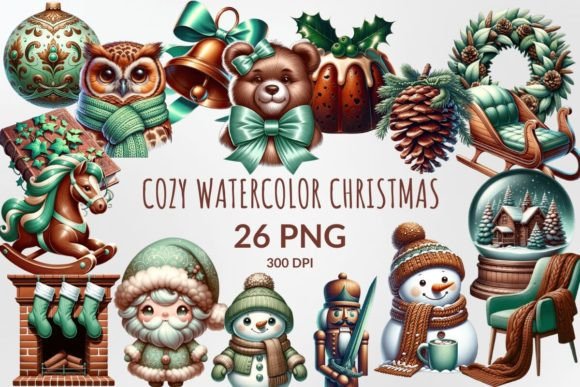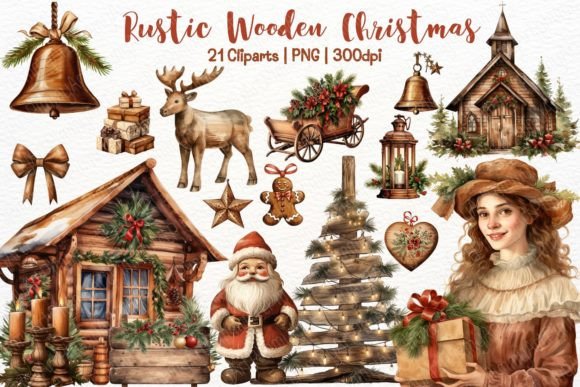
Reviewing Wooden Christmas Watercolor Sublimation for Embroidery
As a designer who has spent years digitizing and stitching thousands of patterns, I approach every new machine embroidery design with a mix of curiosity and caution. We have all been there: you download a beautiful digital file, eager to start your next project, only to realize the stitch path is messy or the details are too fine for the chosen fabric. Today, I am taking a close look at Wooden Christmas Watercolor Sublimation. While the title suggests a sublimation graphic, my focus here is on how this aesthetic translates into a tangible embroidery project for real-world use.
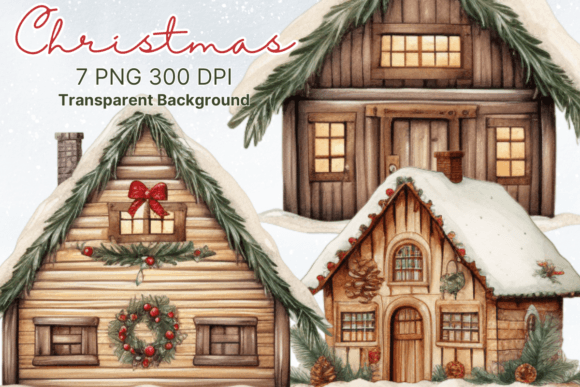
The first impression of this piece is its mood. It captures that soft, nostalgic warmth associated with rustic holiday decor. The watercolor influence implies gentle gradients and organic shapes, which can be tricky to replicate with thread. However, when executed correctly, this style moves away from the rigid, plastic look of traditional holiday motifs and offers something more artisanal. For an Etsy seller or craft business owner, this distinction is vital. Customers are increasingly looking for handmade products that feel curated and high-end, rather than mass-produced.
Visual Appeal and Design Layout
The layout of Wooden Christmas Watercolor Sublimation leans heavily into the Illustrations category, meaning it relies on artistic composition rather than just simple iconography. In a real-life scenario, imagine you are preparing a custom order for a boutique client who wants a set of holiday tote bags. This design fits naturally here. The organic lines suggest a relaxed elegance that pairs well with natural fibers like canvas or linen.
When evaluating the visual personality, I look for balance. Does the design have enough negative space to let the fabric breathe? Yes. This is crucial for maintaining a professional look. Overly dense designs can puckers lightweight fabrics, ruining the finished product. This design appears to respect the material, using open areas to create contrast. For small shop product lines, this versatility means you can scale it up for a pillow cover or down for a subtle accent on a napkin without losing its charm.
Real-World Application: From Screen to Stitch
Let’s talk about practical application. I recently considered a similar aesthetic for a line of sweatshirt embroidery intended for holiday gifts. The challenge with watercolor-style art in embroidery is translating soft edges into stitches. If this design utilizes a mix of fill stitch for the broader color blocks and running stitch for the delicate outlines, it will perform beautifully. The key is thread selection. To mimic the watercolor effect, I recommend using variegated threads or blending two similar shades of red, green, or gold.
For custom apparel, such as a cozy fleece jacket, this design adds value without overwhelming the garment. It acts as a focal point. If you are creating a personalized gift, perhaps adding a name beneath the main motif, ensure the typography complements the rustic vibe. A script font might get lost, whereas a clean, serif font could anchor the whimsical nature of the wood and watercolor elements.
Consider also the embroidered patch market. Many makers are selling iron-on or sew-on patches as a lower-commitment product for customers. This design would translate well to a twill backing, where the stitch density can be higher to create a durable, textured badge. It becomes a versatile design asset that can be applied to denim jackets, backpacks, or hats.
Technical Considerations and Fabric Choice
While the aesthetic is appealing, we must address the technical realities. Not every fabric is suitable for this type of intricate work. If you are working with textured fabrics like heavy wool or terry cloth, the finer details of the watercolor effect might get lost. In these cases, increasing the stabilizer support is non-negotiable. I always advise testing the design on scrap fabric first. Check how the thread colors interact with the background. On dark fabric, you may need an underlay stitch to prevent the garment color from showing through the lighter parts of the design.
Be cautious with stretchy fabric. If you are applying this to a knit t-shirt or a baby onesie for baby embroidery, the hoop tension must be perfect. Too tight, and you distort the garment; too loose, and the stitches loop. For curved surfaces like caps, this design might require resizing. The horizontal spread of a watercolor scene can sometimes be too wide for a standard cap front panel. Always check the dimensions against your hoop size before digitizing or purchasing the final embroidery file.
Another critical area is washability. Holiday items, especially kitchen towels and aprons, face frequent laundering. If the design uses long satin stitches over large areas, they may snag. A well-digitized version of Wooden Christmas Watercolor Sublimation should break up large fills with tatami or patterned fills to enhance durability. This attention to detail builds customer trust and ensures your commercial embroidery items stand the test of time.
Enhancing Brand Consistency and Value
For digital product sellers and creative entrepreneurs, consistency is key. Using a cohesive style like this across your printable mockup gallery and actual inventory helps establish brand recognition. When a customer sees this specific rustic-watercolor blend, they should immediately think of your shop. It elevates the perceived value of the item. A simple embroidered towel becomes a luxury home good; a plain sweatshirt becomes a heirloom-quality piece.
This design also works well for holiday embroidery collections that extend beyond Christmas. The wooden elements give it a winter-long appeal, suitable for January sales or cozy cabin-themed marketing. It avoids being overly specific to one day, extending the shelf life of your small business merchandise.
Practical Designer Notes for Best Results
Before you commit to production, keep these practical tips in mind:
- Test on Scrap Fabric: Never skip this step. Verify that the stitch density does not cause puckering on your chosen material.
- Check Thread Contrast: Ensure your thread colors pop against the fabric. Use a black and white mockup to check value contrast if you are unsure.
- Review Stitch Types: Look for a balance of satin stitch for borders and fill stitches for bodies. Avoid excessive jump stitches that require tedious trimming.
- Confirm Licensing: If you plan to sell finished items, verify the license terms of the digital embroidery file. Some creators allow commercial use, while others do not.
- Inspect Small Details: Zoom in on the preview. Are the tiny branches or watercolor splashes too small to stitch? If so, simplify or enlarge the design.
In conclusion, Wooden Christmas Watercolor Sublimation offers a sophisticated alternative to standard holiday clipart. For the experienced maker, it presents an opportunity to create nuanced, high-value handmade product lines. By paying attention to fabric choice, stabilizer use, and thread selection, you can transform this digital concept into a stunning physical reality. Whether you are decorating a tote bag design for a local market or creating a premium personalized gift for a VIP client, this design holds up under scrutiny. It reminds us that embroidery is not just about covering fabric with thread, but about translating art into texture. Take the time to refine your process, and this design will serve your craft business well throughout the season and beyond.