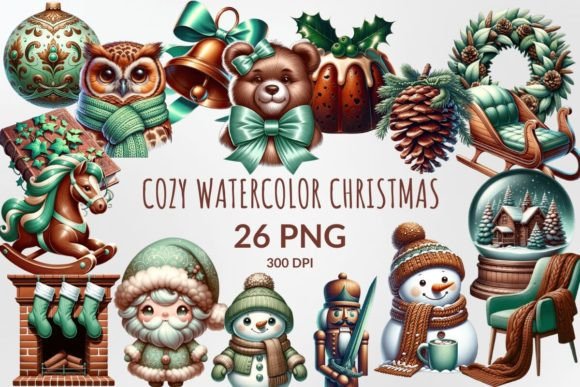
Reviewing Cozy Watercolor Christmas Sublimation
As a designer who has spent years translating digital art into thread, I approach every new machine embroidery design with a mix of excitement and skepticism. We have all been there: staring at a vibrant preview image, wondering if the reality will match the promise once the needle hits the fabric. Recently, I evaluated Cozy Watercolor Christmas Sublimation, a piece categorized under Illustrations, to determine its viability for real-world projects. This is not just about aesthetics; it is about functionality, stitchability, and commercial potential for Etsy sellers and craft business owners.
First Impressions and Visual Mood
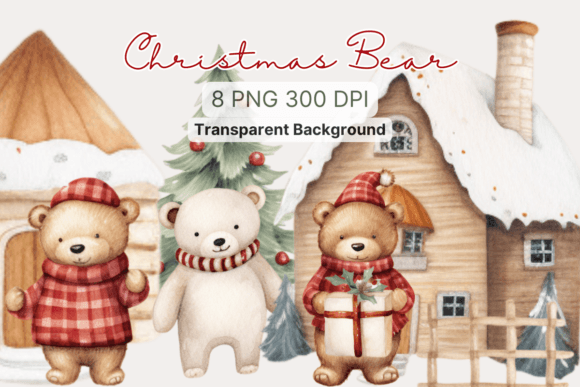
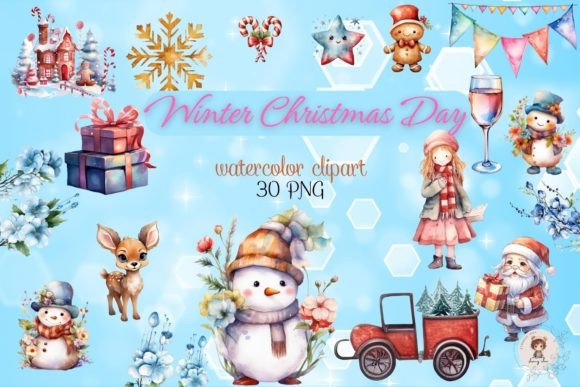
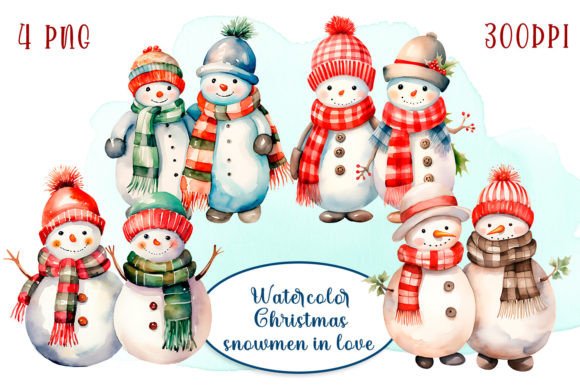
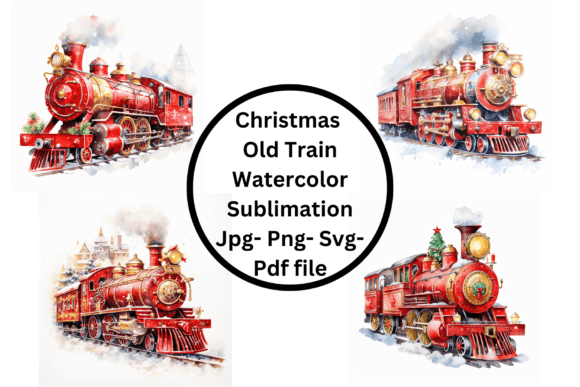
The immediate appeal of Cozy Watercolor Christmas Sublimation lies in its softness. Unlike the rigid, high-contrast vectors we often see in holiday catalogs, this design embraces the fluid, organic nature of watercolor painting. For an embroidery project, this presents both a challenge and an opportunity. The mood is undeniably warm and nostalgic, evoking feelings of quiet winter mornings rather than chaotic holiday parties.
From a layout perspective, the composition feels balanced. It does not rely on heavy, solid blocks of color that can turn a garment into a stiff cardboard shield. Instead, it suggests a lighter touch. When I first loaded the file into my editing software, I looked closely at how the gradients were handled. In sublimation, these blends are seamless. In embroidery, we must replicate that blend using thread colors and stitch direction. The design’s personality lends itself perfectly to items that require a gentle, handmade aesthetic, such as nursery decor or sophisticated holiday gifts.
Real-World Application: The Tote Bag Test
To truly understand how Cozy Watercolor Christmas Sublimation performs, I simulated its application on a canvas tote bag. This is a staple product for many small shop product lines. The goal was to create a personalized gift that feels boutique-quality rather than mass-produced.
On a natural cotton canvas, the design’s softer edges shine. If you were to use this as a direct embroidery file, you would need to be strategic with your fill stitch settings. A dense fill might overpower the delicate "watercolor" illusion. Instead, I recommend using a combination of light-density fills and running stitch outlines to define the shapes without closing them off completely. This approach maintains the airy feel of the original illustration. For a sweatshirt embroidery project, the same logic applies. You want the design to sit comfortably on the chest or back without adding excessive weight or bulk, ensuring the garment remains cozy and wearable.
Apparel and Textile Considerations
When moving from sturdy canvas to softer fabrics, the stakes change. For baby embroidery items like onesies or burp cloths, comfort is paramount. The stitch density must be lowered significantly. I advise testing this design on scrap fabric first, specifically the same type you intend to sell. If you are creating a custom apparel line, consider how the design interacts with the fabric’s stretch. On a jersey knit, a high-density design will pucker and distort. However, if treated as a lighter accent piece, perhaps positioned off-center for a modern look, Cozy Watercolor Christmas Sublimation can elevate a simple tee into a premium holiday embroidery item.
For those interested in applique design techniques, this illustration offers interesting possibilities. You could use the main shapes as cut-out guides, layering festive fabrics underneath, and then using satin or running stitches to secure the edges. This method preserves the watercolor vibe by letting the fabric texture do the heavy lifting, reducing machine time and thread usage. It is a smart move for commercial embroidery where production speed matters.
Navigating Technical Challenges
While the design is beautiful, it is not without its pitfalls. Designers must be cautious when scaling Cozy Watercolor Christmas Sublimation down for smaller items like embroidered patch creations or hat fronts. Tiny details in watercolor styles can easily get lost or become a tangled mess of thread if the hoop size is too small relative to the detail level. I strongly recommend inspecting the small corners and intricate transitions in your digitizing software. If the jumps are too frequent or the stitches too short, the design may not sew out cleanly.
Another critical factor is fabric color. Watercolor designs often rely on white space or light backgrounds to achieve their luminous effect. Stitching this on dark fabric requires careful planning. You cannot simply stitch over black cotton and expect the pastel tones to pop. You would need a substantial underlay or even a white base layer, which increases stitch count and thickness. Always test your thread color contrast on both light and dark backgrounds. A printable mockup can help visualize this, but nothing beats a physical test stitch.
Stabilizer and Hooping Strategy
Success with this design hinges on proper stabilization. Because the aesthetic is soft, any pulling or distortion will be immediately visible and detrimental to the professional look. Use a high-quality cut-away stabilizer for garments that will be washed frequently, such as tote bag design applications or kitchen towels. For stable woven fabrics like linen pillow covers, a tear-away might suffice, but always err on the side of more support rather than less. Ensure your hoop tension is even; uneven hooping can skew the organic shapes, making the design look amateurish.
Commercial Value and Brand Consistency
For digital product sellers and creative entrepreneurs, the question is always: does this design add value? Cozy Watercolor Christmas Sublimation fits seamlessly into brands that prioritize warmth, tradition, and artisanal quality. It is not a loud, flashy design; it is a subtle enhancer. This makes it ideal for customers seeking understated elegance.
Using this design in your finished product lineup can boost customer trust. It shows that you are attentive to trends—watercolor remains popular—but also that you care about execution. When buyers see clean stitching that respects the original art’s intent, they perceive higher quality. This perception directly influences buyer engagement and repeat business. Whether you are selling on Etsy or at local craft fairs, presenting this design on high-quality blanks like premium aprons or thick-knit blankets can justify a higher price point.
Final Designer Notes
Before you commit to a large production run, take these practical steps. First, verify the license terms. Ensure that your intended use, whether for physical goods or design assets, is covered. Second, check the file formats provided. You need the correct format for your specific machine to avoid conversion errors that can ruin stitch paths. Third, create a black-and-white test stitch. This removes the distraction of color and allows you to focus purely on stitch placement and density. If it looks good in monochrome, it will look great in color.
In conclusion, Cozy Watercolor Christmas Sublimation is a versatile and evocative addition to your library. It requires a thoughtful approach to digitizing and material selection, but the payoff is a sophisticated, heartfelt product. For the handmade product creator willing to put in the prep work, this design offers a genuine opportunity to stand out in a crowded holiday market. Treat it with respect, test it thoroughly, and let its cozy charm shine through your craftsmanship.